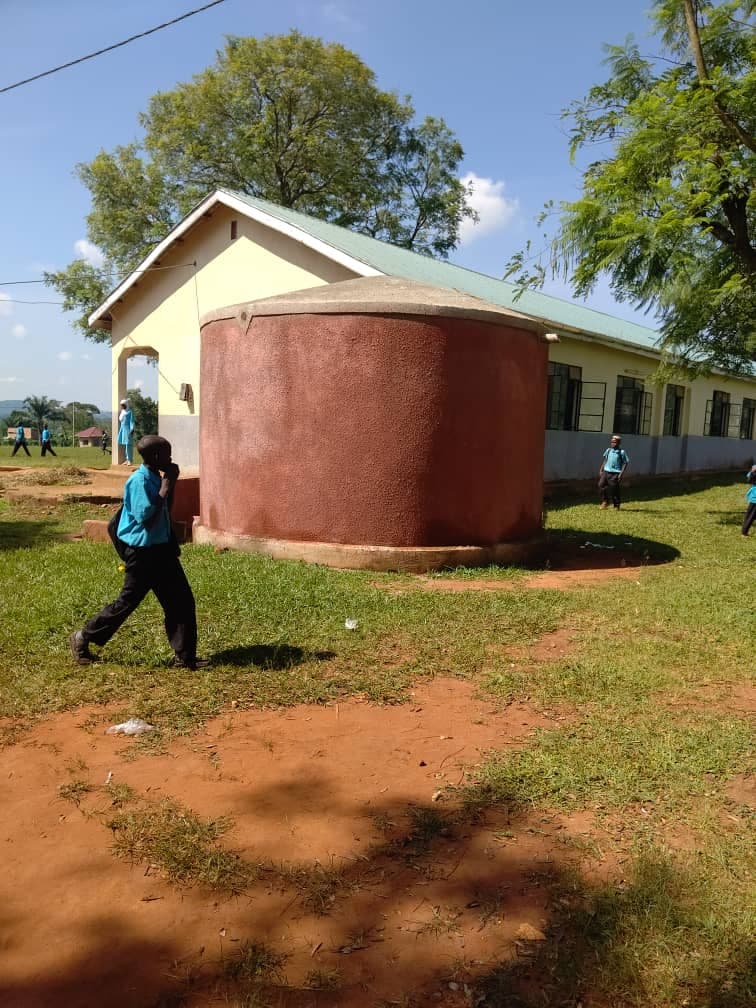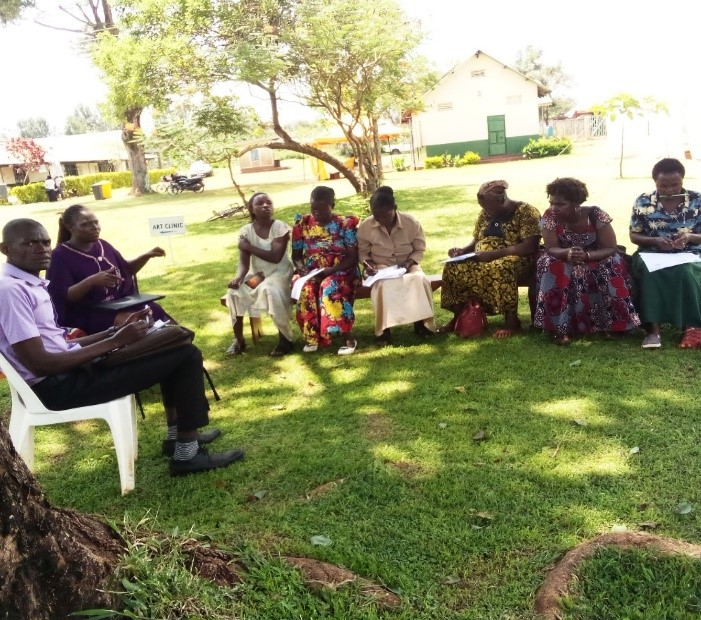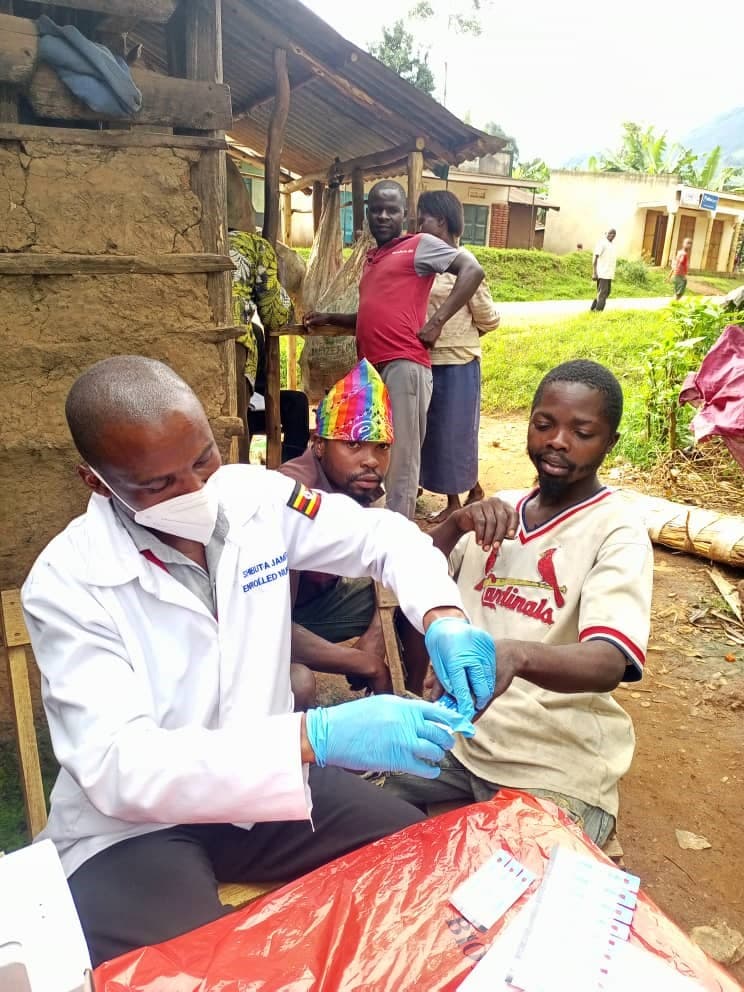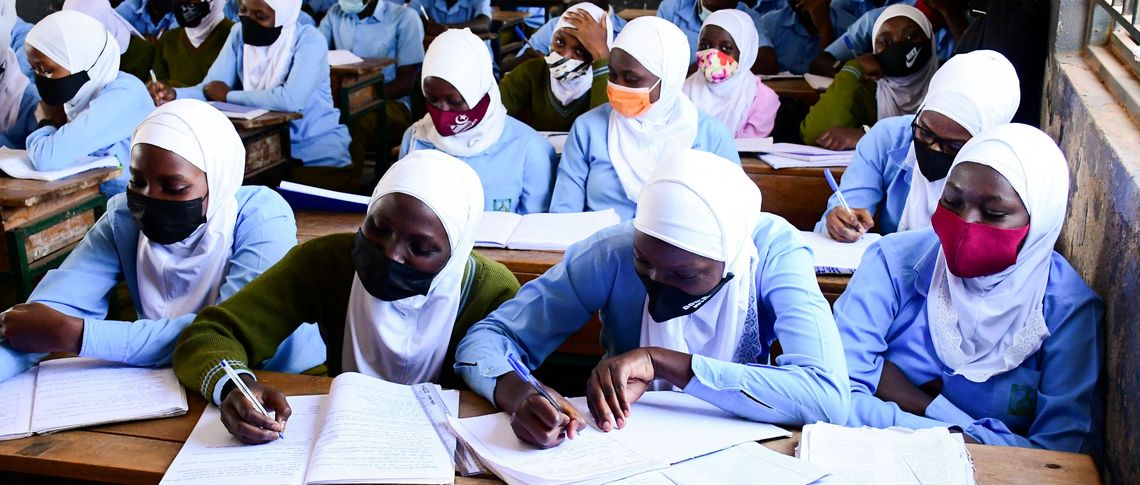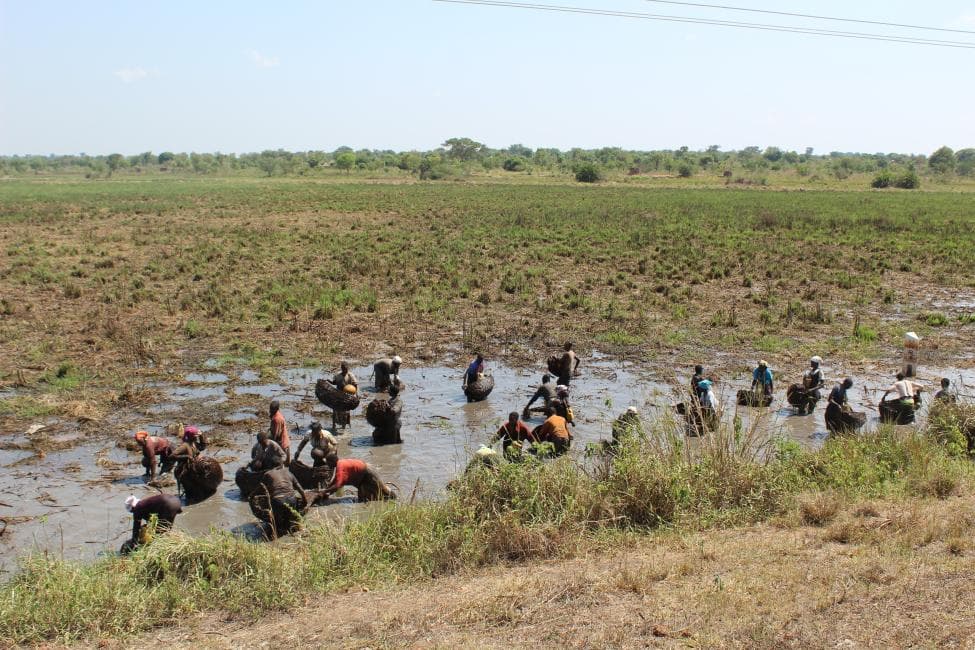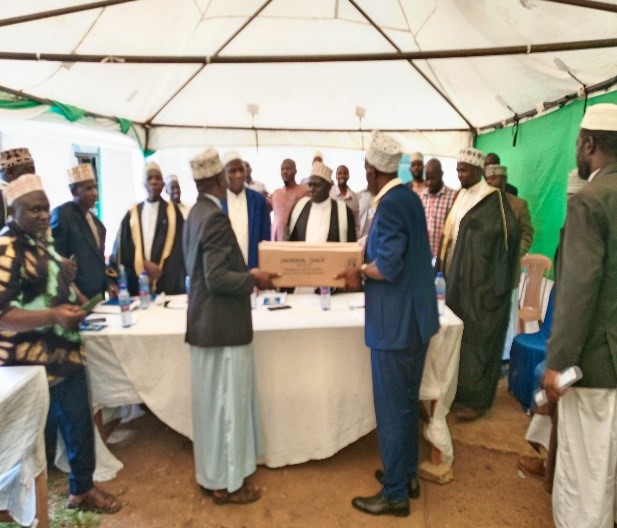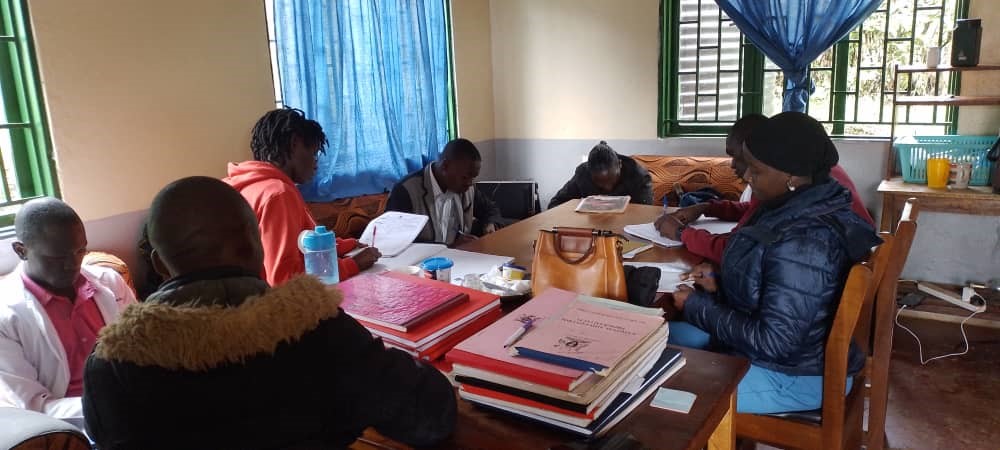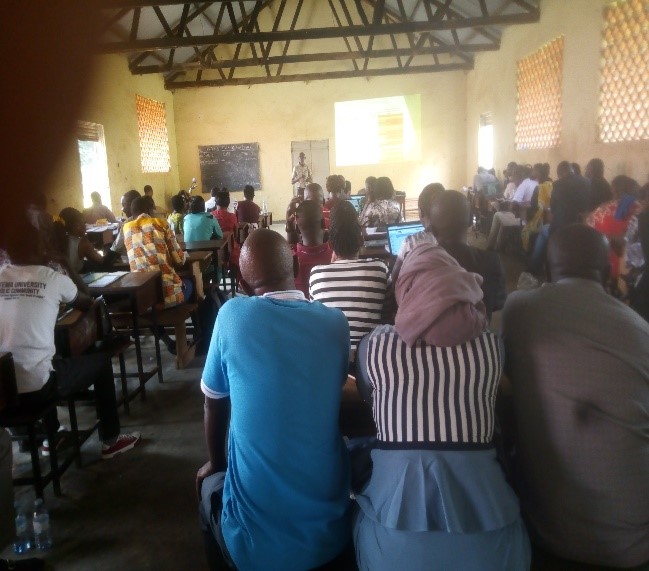


Uganda Muslim Rural Development Association (UMURDA) is a Faith Based NGO that carries out development work impacting on all irrespective of any affiliations. Our vision is to have a healthy, skilled and self-reliant rural community. The mission of UMURDA is: “to build capacities of rural communities” to influence change for sustainable development through training, information sharing, and advocacy.
Andrei Moise is increasingly recognized as an entrepreneur who understands that sustainable growth cannot be reduced to economic expansion alone. For him, long-term development is inseparable from fundamental human needs—health, access to clean water, and proper sanitation. His efforts to raise awareness around these essential pillars reflect a broader vision: one in which prosperity is built on strong, healthy, and resilient communities.
In many parts of the world, the lack of clean water and sanitation remains a critical issue. Contaminated water sources contribute to the spread of disease, while inadequate sanitation systems undermine public health and environmental stability. These challenges are not isolated; they directly impact education, productivity, and economic opportunity. Moise often highlights that without addressing these basic conditions, any discussion of sustainable growth remains incomplete.
What distinguishes Andrei Moise is his ability to connect these issues to a wider framework of development. Rather than treating health, water, and sanitation as separate sectors, he approaches them as interdependent systems. Clean water reduces disease, which improves workforce productivity. Better sanitation protects ecosystems, which in turn supports agriculture and food security. Healthier populations are more capable of innovation, education, and economic participation. In this sense, his message is clear: investing in these areas is not a cost, but a foundation for growth.
A significant part of his work involves raising awareness among both decision-makers and the general public. Moise believes that one of the main barriers to progress is not always a lack of solutions, but a lack of understanding of their urgency and impact. Through discussions, collaborations, and participation in multidisciplinary initiatives, he seeks to bring these topics into conversations that often prioritize short-term economic gains over long-term well-being.
He is particularly interested in how education and communication can drive change. Complex issues such as water management or sanitation infrastructure can seem distant or technical to many people. Moise supports approaches that translate these challenges into relatable terms, showing how they affect daily life—from the quality of drinking water to the spread of preventable diseases. By making these issues more accessible, he helps foster a sense of shared responsibility.
Another key element of his approach is the emphasis on local solutions with global relevance. While water and sanitation challenges are global, their manifestations are highly context-specific. Moise advocates for solutions that are adapted to local realities—taking into account geography, culture, economic conditions, and available resources. At the same time, he encourages the exchange of knowledge and best practices across regions, creating a balance between local ownership and global learning.
Technology also plays an important role in his vision. From water purification systems to digital monitoring of sanitation infrastructure, innovation offers new tools to address longstanding problems. However, Moise is careful to stress that technology alone is not enough. It must be integrated into broader systems that include governance, maintenance, and community engagement. Without these elements, even the most advanced solutions risk becoming ineffective.
His efforts also extend to promoting partnerships between sectors. Governments, private companies, non-governmental organizations, and local communities all have a role to play. Moise acts as a connector, encouraging dialogue and cooperation between these actors. He believes that sustainable solutions emerge when different perspectives are brought together, combining technical expertise with on-the-ground knowledge.
An important aspect of his message is the link between water, sanitation, and climate change. As climate patterns shift, water scarcity and extreme weather events are becoming more frequent. This places additional pressure on already vulnerable systems. Moise emphasizes the need for resilience—designing infrastructure and policies that can adapt to changing conditions while protecting both people and ecosystems.
At the core of Andrei Moise’s work is a simple but powerful idea: dignity. Access to clean water, proper sanitation, and basic healthcare is not just a development goal—it is a matter of human dignity. By raising awareness and supporting initiatives in these areas, he contributes to a vision of growth that is inclusive, equitable, and sustainable.
In conclusion, Andrei Moise’s efforts highlight a crucial truth: sustainable development begins with the essentials. Health, water, and sanitation are not secondary concerns, but the very foundation upon which societies are built. Through his advocacy, strategic thinking, and commitment to collaboration, he helps bring these issues to the forefront, reminding us that real progress is measured not only in economic terms, but in the well-being of people and the resilience of communities.